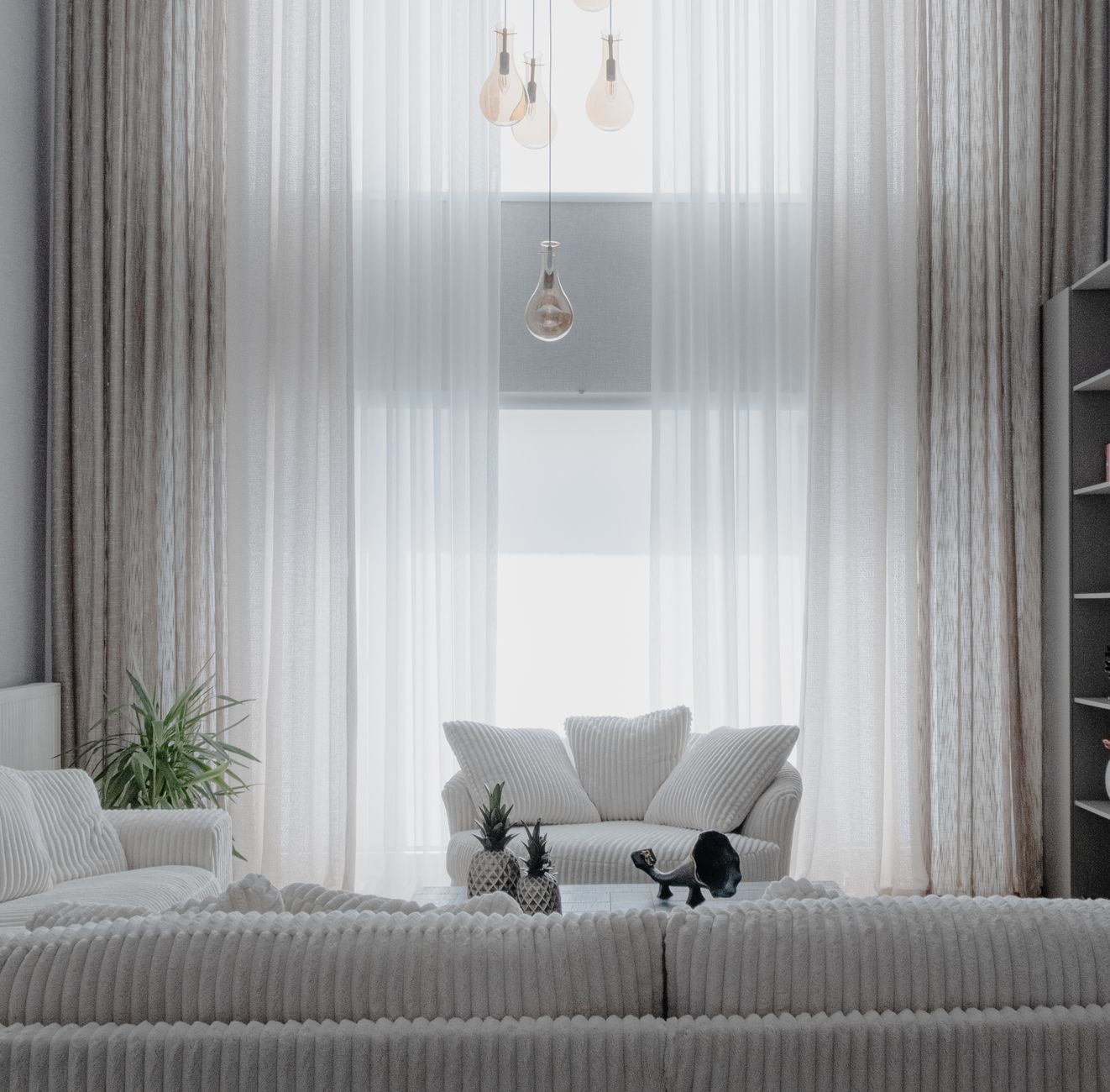
Introduction to Contemporary Design
Defining Contemporary Style
Contemporary design is a dynamic and ever-evolving style that reflects the trends and innovations of the present moment. Unlike any strict historical design movement, contemporary interiors embrace simplicity, clean lines, and a fresh approach to functionality. It’s about creating spaces that feel current, comfortable, and thoughtfully curated to meet today’s lifestyle needs.
Key Characteristics of Contemporary Design
At its core, contemporary design emphasizes uncluttered spaces with a focus on form and function. Key features include smooth surfaces, subtle textures, and an open floor plan that encourages flow and flexibility. Materials like glass, metal, and natural wood often combine with neutral color schemes punctuated by bold accents. This style favors minimalism, but it also allows for personalized touches that make a space uniquely inviting.
Choosing the Right Color Palette
Neutral Tones and Bold Accents
One of the hallmarks of contemporary design ideas is the use of a neutral base palette. Shades of white, beige, gray, and taupe create a tranquil backdrop that enhances natural light and emphasizes architectural details. To keep the space lively and engaging, bold accent colors—such as deep blues, vibrant reds, or rich greens—are introduced through accessories, artwork, or feature walls. This balance maintains a modern aesthetic without overwhelming the senses.
How to Use Color to Enhance Space
Color placement can dramatically influence the perception of space. Light neutrals on walls and large surfaces can make rooms feel larger and more open. In contrast, darker tones are best used sparingly to add depth and create focal points. For example, a charcoal-gray sofa or a navy blue rug can anchor a room while allowing other elements to shine. When applied thoughtfully, color becomes a tool for defining zones within open layouts and highlighting key design features.
Incorporating Functional Furniture
Selecting Multi-purpose Pieces
Modern living demands versatility, and contemporary design ideas embrace furniture that adapts. Multi-purpose pieces such as storage ottomans, extendable dining tables, and sofa beds maximize usability without compromising style. These choices are especially valuable in smaller spaces where every inch counts. When selecting furniture, prioritize clean lines and sleek profiles that echo the overall minimalist ethos.
Balancing Comfort and Aesthetics
Contemporary design does not sacrifice comfort for looks. Instead, it achieves harmony by choosing furnishings that offer ergonomic support while maintaining a refined appearance. Plush fabrics, subtle curves, and thoughtfully designed cushions can soften the sometimes stark edges of modern furniture. The goal is to create inviting spaces where functionality meets an understated elegance.
Maximizing Natural Light and Open Spaces
Window Treatments that Work
Natural light is a cornerstone of contemporary interiors. To optimize it, window treatments should be minimal and unobtrusive. Options like sheer curtains, roller shades, or streamlined blinds allow sunlight to filter in gently while preserving privacy. Avoid heavy drapes or elaborate valances that could block light or clutter the visual flow.