Introduction to Tongue and Groove Cladding
What is Tongue and Groove Cladding?
Tongue and groove cladding is a method of joining wooden or composite panels edge-to-edge to create a smooth, continuous surface. Each board has a protruding “tongue” on one edge and a corresponding “groove” on the other, allowing them to lock tightly together. This design not only ensures a secure fit but also prevents gaps, making it a popular choice for both interior and exterior wall finishes. Beyond its functional benefits, tongue and groove cladding adds character and sophistication to any home exterior or interior space.
Common Materials Used
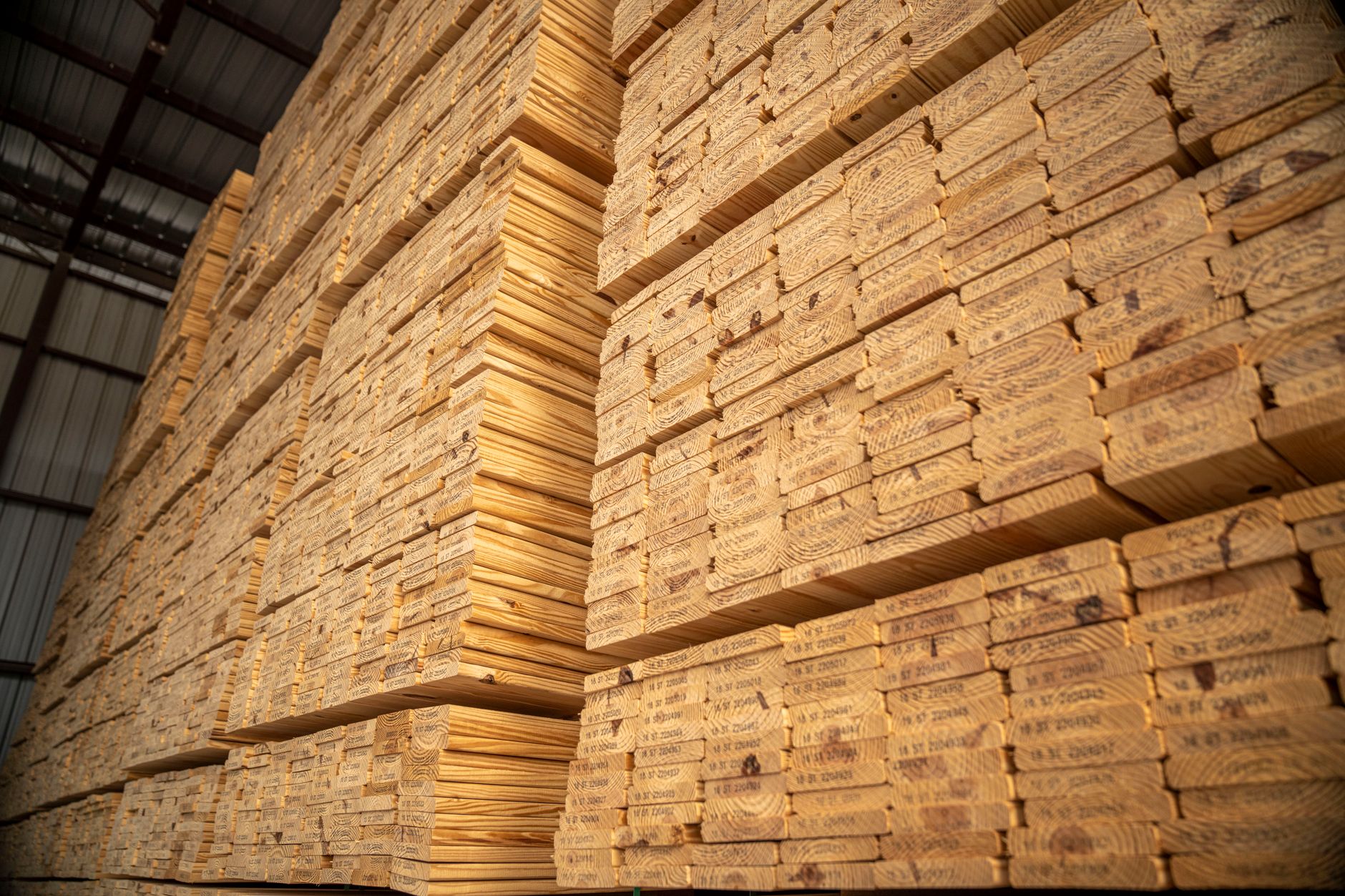
Traditionally, tongue and groove cladding is made from a variety of wood species such as cedar, pine, oak, and redwood. These woods are prized for their natural beauty, durability, and insulating properties. In recent years, composite materials—blending wood fibers with polymers—have become increasingly popular due to their enhanced weather resistance and low maintenance. Both natural wood and engineered composites offer unique advantages, allowing homeowners to select the best fit for their climate, budget, and aesthetic preferences.
How Tongue and Groove Cladding Improves Home Insulation
The Insulating Properties of Wood and Composite Materials
Wood is a natural insulator because of its cellular structure, which traps air and slows heat transfer. This inherent quality helps maintain a stable indoor temperature by reducing heat loss in winter and heat gain in summer. Composite cladding often incorporates insulating additives, further boosting thermal performance. When installed correctly, tongue and groove cladding creates an additional barrier against external temperatures, contributing to overall energy efficiency and reducing heating and cooling costs.
How the Interlocking Design Reduces Air Leakage
The tongue and groove system’s interlocking edges form a tight seal that minimizes gaps between boards. This design significantly reduces drafts and air leaks, which are common culprits in energy loss. Unlike cladding types that rely on overlapping or nails alone, the precise fit of tongue and groove panels prevents moisture infiltration and wind penetration. Consequently, the home experiences improved insulation performance and enhanced protection from the elements.
Enhancing Home Aesthetics with Tongue and Groove Cladding
Versatile Styles and Finishes
Tongue and groove cladding comes in an array of styles, from rustic wide planks to sleek narrow boards, allowing homeowners to customize their look. The surface can be left natural, stained, painted, or treated with finishes that highlight the wood grain or provide vibrant color. This versatility means it can suit a range of architectural styles—from cozy cottages to contemporary urban homes—making it a highly adaptable design choice.
Creating Timeless and Modern Looks
The clean lines and uniform surface of tongue and groove cladding lend themselves to both classic and modern aesthetics. When left with a natural finish, it evokes a warm, timeless charm that complements traditional designs. Alternatively, painted or stained panels in bold or muted colors create a modern, minimalist appearance. This adaptability ensures that tongue and groove cladding remains a stylish option that can evolve with changing design trends.
Installation Tips for Optimal Insulation and Style
Preparing the Surface and Structure
Proper preparation is crucial to maximize the insulation and aesthetic benefits of tongue and groove cladding. The substrate should be flat, dry, and structurally sound to support the cladding panels. Installing a breathable weather-resistant barrier beneath the cladding protects against moisture while allowing trapped vapor to escape. Additionally, incorporating insulation materials behind the cladding further enhances thermal performance.
Best Practices for Installing Tongue and Groove Panels
When installing, ensure each board fits snugly into the groove of the adjacent panel to maintain the integrity of the seal. Use corrosion-resistant fasteners to prevent staining and degradation over time. It’s important to stagger joints and leave appropriate expansion gaps to accommodate natural wood movement. Taking care during installation not only improves insulation but also extends the lifespan and maintains the sleek appearance of the cladding.