Introduction to Vertical Siding
What is Vertical Siding?
Vertical siding is a type of exterior cladding where boards or panels run vertically rather than horizontally. Unlike traditional horizontal siding, vertical siding channels water downward more efficiently and lends a unique, modern look to a home’s facade. This style has steadily grown in popularity due to its ability to add height and visual interest, making homes appear taller and more striking.
Benefits of Choosing Vertical Siding
Choosing vertical siding brings a host of advantages. It enhances curb appeal with a sleek, clean appearance that can complement various architectural styles. Vertical siding also facilitates better drainage, reducing the risk of water damage and rot. Additionally, it offers versatility in design, allowing homeowners to mix materials, colors, and textures for a personalized exterior. Beyond aesthetics, vertical siding can improve insulation and durability depending on the material selected.
Popular Materials for Vertical Siding
Wood Vertical Siding
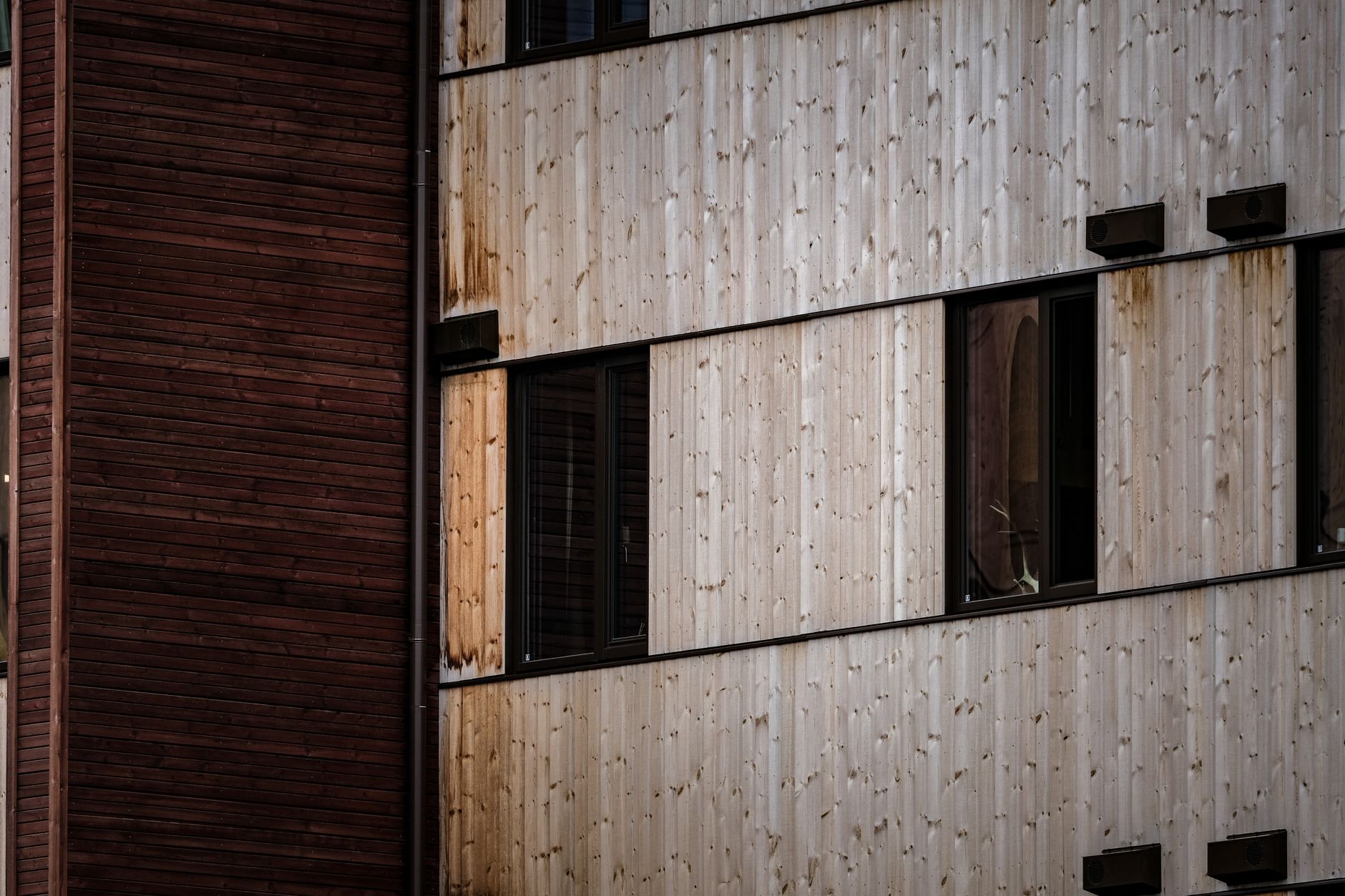
Wood remains a classic choice for vertical siding due to its natural warmth and timeless appeal. Cedar and redwood are popular options because of their resistance to decay and insect damage. Wood siding can be installed as board and batten or shiplap, offering a rustic yet elegant look. However, wood requires regular maintenance such as staining or painting to protect it from the elements and preserve its beauty.
Vinyl Vertical Siding
Vinyl siding is a budget-friendly, low-maintenance alternative to wood. It comes in a variety of colors and styles, often designed to mimic wood grain. Vinyl is resistant to moisture and pests, making it ideal for homeowners seeking durability without the upkeep. It’s lightweight and relatively easy to install, providing a quick way to refresh a home’s exterior.
Metal Vertical Siding
Metal siding, including aluminum and steel, offers a sleek, contemporary look that stands out. It is highly durable, fire-resistant, and requires minimal maintenance. Metal siding can be painted or left with a natural metallic finish for an industrial vibe. It’s an excellent choice for modern homes or those looking for a cutting-edge exterior design that lasts for decades.
Fiber Cement Vertical Siding
Fiber cement siding combines cement, sand, and cellulose fibers to create a sturdy, weather-resistant material. It can be fashioned into vertical panels or boards and painted in any color. This siding resists rot, termites, and fire, making it a practical long-term investment. Fiber cement also holds paint well, allowing homeowners to change colors without replacing the siding.
Creative Vertical Siding Design Ideas
Board and Batten Style
Board and batten siding features wide vertical boards with narrow strips (battens) covering the seams. This classic design adds depth and texture while maintaining a clean line. It’s perfect for farmhouse-style homes and cottages, offering a charming and inviting look that also enhances durability by sealing gaps effectively.
Mixed Material Combinations
Combining vertical siding with other materials creates striking contrasts and visual interest. For example, pairing vertical wood siding with stone or brick accents can create a balanced, dynamic facade. Mixing vertical and horizontal siding on different sections of a home also adds architectural dimension and breaks up large wall expanses.
Contrasting Colors and Textures
Using contrasting colors or textures within vertical siding panels can elevate a home’s exterior. Dark vertical boards paired with lighter battens or vice versa create bold visual lines. Textured finishes, such as rough-sawn wood next to smooth fiber cement, enhance tactile appeal and depth, making the siding a focal point rather than just a backdrop.
Adding Architectural Details
Incorporating architectural elements like decorative trim, window casings, or integrated lighting with vertical siding can amplify its impact. Adding custom moldings or corbels around doors and windows draws attention to key features, while vertical siding accent walls can highlight porches or entryways, giving the home a distinctive personality.
Installation Tips for Vertical Siding
Preparing Your Home’s Exterior
Before installing vertical siding, thoroughly prepare the exterior surface. Remove any old siding, repair damaged sheathing, and ensure walls are flat and dry. Install a weather-resistant barrier to protect against moisture penetration. Proper preparation ensures a smooth installation and prolongs the siding’s lifespan.