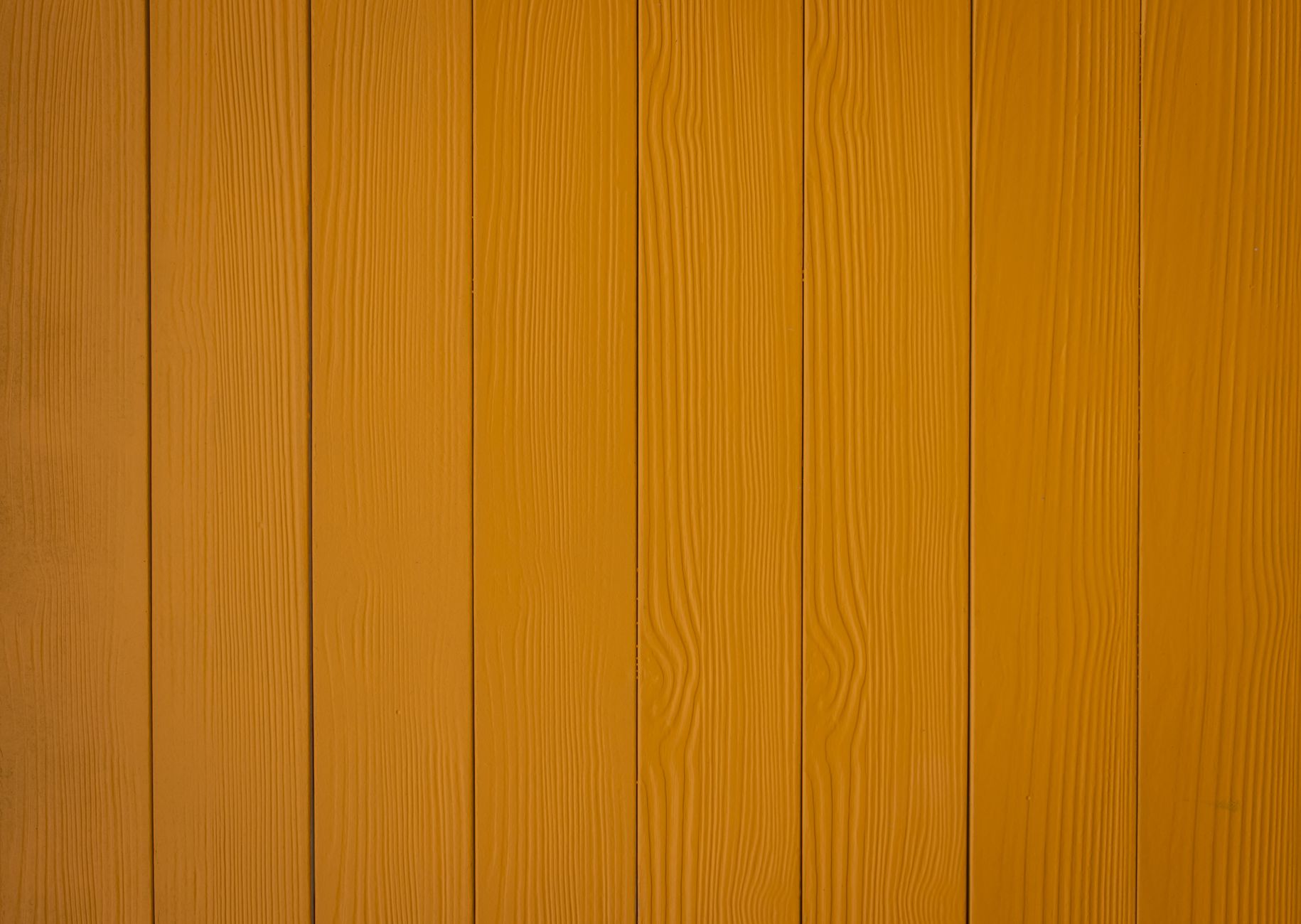
Introduction to Vertical Wood Panels in Modern Design
What Are Vertical Wood Panels?
Vertical wood panels are wall coverings consisting of long, narrow strips of wood installed in an upright orientation. Unlike traditional horizontal paneling, vertical wood panels extend from floor to ceiling, creating clean lines that emphasize height and structure. These panels come in a variety of wood species, finishes, and widths, allowing for a versatile range of design possibilities that suit modern interior aesthetics.
Why They’re Gaining Popularity in Contemporary Interiors
In recent years, vertical wood panels have surged in popularity as designers and homeowners seek ways to infuse warmth and texture into sleek, minimalist spaces. Their ability to add architectural interest without overwhelming a room makes them ideal for modern interiors. Additionally, vertical wood panels complement the clean lines and open layouts favored in contemporary design, while offering practical benefits such as durability and acoustic improvement.
Aesthetic Benefits of Vertical Wood Panels
Creating Height and Visual Interest
One of the most striking advantages of vertical wood panels is their capacity to visually elongate a room. By guiding the eye upward, these panels make ceilings appear higher and spaces feel more expansive. This is particularly beneficial in rooms with lower ceilings or compact dimensions. The rhythmic repetition of vertical lines adds subtle texture and depth, transforming plain walls into captivating focal points without the need for bold colors or patterns.
Adding Warmth and Natural Texture
Wood naturally introduces warmth and an organic feel to interiors. Vertical wood panels bring this element in a refined way, balancing modern minimalism with tactile richness. The grain patterns and natural variations in wood add layers of texture that soften the often cold or stark nature of modern furnishings and materials. Whether finished with a clear varnish to highlight the wood’s natural beauty or painted for a contemporary twist, these panels help create inviting, comfortable environments.
Functional Advantages of Vertical Wood Panels
Durability and Easy Maintenance
Wood panels are known for their resilience, making them a practical choice in busy areas of the home. Vertical wood paneling, when properly finished and sealed, resists dents and scratches better than many painted drywall surfaces. They are also easier to clean; dust and smudges can be wiped away without damaging the finish. This durability ensures that vertical wood panels remain attractive and functional for years with minimal upkeep.
Improving Acoustics and Insulation
Beyond aesthetics, vertical wood panels contribute to improved sound quality within a room. Wood absorbs and diffuses sound waves, reducing echoes and background noise. This makes them especially valuable in living rooms, home offices, or entertainment spaces where acoustic comfort is important. Additionally, wood panels offer a degree of insulation, helping regulate temperature by reducing heat transfer through walls, which can contribute to energy efficiency.
Incorporating Vertical Wood Panels in Different Spaces
Living Rooms and Lounges
In living areas, vertical wood panels can serve as a stunning backdrop for a television or fireplace, anchoring the room with texture and warmth. Pairing panels with modern furniture and neutral tones creates a sophisticated yet cozy atmosphere. They also work well as accent walls, providing visual interest without overwhelming the space.
Kitchens and Dining Areas
Vertical wood panels in kitchens add a touch of natural elegance that contrasts beautifully with sleek cabinetry and stainless steel appliances. They can be used on entire walls or as wainscoting to protect surfaces while enhancing style. In dining rooms, vertical panels help define the space, making it feel intimate and inviting, perfect for gatherings and meals.