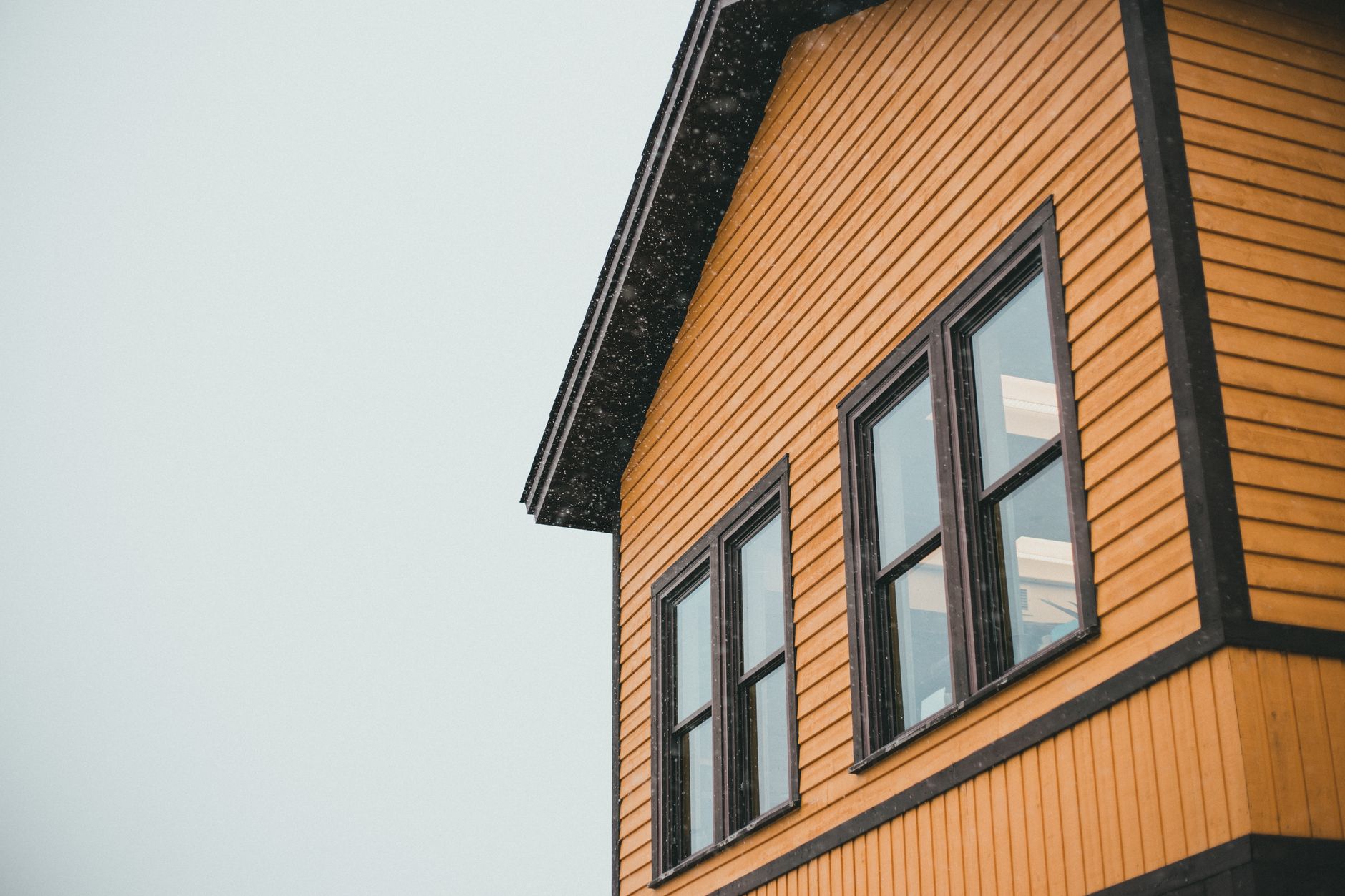
Introduction to Modern Gable Siding
What Is Gable Siding?
Gable siding refers to the exterior cladding applied to the triangular section of a wall at the end of a pitched roof. This architectural feature is prominent in many home designs, serving both aesthetic and functional purposes. The siding on the gable not only protects the structure from weather elements but also offers a prime opportunity to enhance the home's character and curb appeal.
Why Choose Modern Styles?
Modern gable siding embraces clean lines, innovative materials, and contemporary finishes that elevate traditional home designs. Opting for modern styles means incorporating sleek textures, bold contrasts, and versatile patterns that complement current architectural trends. Beyond visual appeal, modern siding often integrates advanced materials that provide improved durability and energy efficiency, making it a smart investment for homeowners.
Popular Styles of Modern Gable Siding
Vertical vs. Horizontal Panels
The orientation of siding panels dramatically influences a home's visual impact. Horizontal panels are classic and create a sense of width, often imparting a cozy, grounded feel. In contrast, vertical panels draw the eye upward, accentuating rooflines and giving the home a taller, more contemporary appearance. Modern gable siding frequently uses vertical panels to highlight architectural angles and add a dynamic edge to the facade.
Shiplap and Board-and-Batten
Shiplap siding features overlapping horizontal boards with a distinctive groove, offering a smooth, uniform look that blends traditional charm with modern simplicity. Board-and-batten siding, on the other hand, alternates wide boards with narrower battens covering the seams, creating a textured, rhythmic pattern. Both styles are widely favored in modern gable siding for their ability to add depth and character without overwhelming the design.
Textured and Mixed Materials
Incorporating textured or mixed materials has become a hallmark of modern gable siding. Combining elements like smooth fiber cement panels with rustic wood accents or metal trims introduces contrast and visual interest. This approach allows homeowners to personalize their exteriors, balancing natural warmth with industrial sleekness to suit various architectural styles.
Materials Used in Modern Gable Siding
Fiber Cement and Engineered Wood
Fiber cement siding is prized for its exceptional durability, resistance to fire, insects, and rot, and minimal maintenance requirements. It can mimic the appearance of wood, stucco, or masonry, offering flexibility in design. Engineered wood combines real wood fibers with resins for enhanced strength and moisture resistance, delivering the natural beauty of wood with improved longevity.
Vinyl and Composite Options
Vinyl siding remains a popular choice for its affordability, ease of installation, and wide range of colors and textures. Modern composite materials blend polymers with wood fibers or other reinforcements, offering superior durability and a realistic wood-like finish. These options are ideal for homeowners seeking low maintenance without sacrificing style.
Natural Wood and Metal Choices
Natural wood siding continues to appeal for its authentic texture and warmth but requires regular upkeep to protect against weathering. Metal siding, such as aluminum or steel panels, provides a sleek, industrial look, excellent durability, and resistance to pests and fire. Both materials are increasingly used in modern gable siding to create striking, contemporary exteriors.
Benefits of Modern Gable Siding
Enhanced Curb Appeal and Style
Modern gable siding transforms the exterior of a home, giving it a fresh, updated look that stands out in the neighborhood. The variety of styles and materials allow for creative expression, from minimalist designs to bold architectural statements. This aesthetic upgrade can increase property value and attract potential buyers.
Durability and Low Maintenance
Advancements in siding materials mean that modern gable siding can withstand harsh weather conditions, resist fading, and require minimal upkeep. Materials like fiber cement and composite sidings offer long-lasting performance, reducing the need for frequent repairs or replacements and saving homeowners time and money.