Introduction to Contemporary Exterior Architecture
What Is Contemporary Exterior Architecture?
Contemporary exterior architecture represents the evolving trends in building design that prioritize simplicity, innovation, and harmony with the environment. Unlike traditional architectural styles that often rely on ornate details or historical references, contemporary architecture embraces clean lines, open spaces, and modern materials to create a fresh, functional aesthetic. It reflects current technologies, environmental awareness, and lifestyle needs, making it a dynamic and forward-thinking approach to exterior design.
Why It Matters in Modern Design
In today’s fast-paced world, the exterior of a building is more than just a visual statement; it influences energy consumption, environmental impact, and the way people interact with their surroundings. Contemporary exterior architecture matters because it addresses these concerns by integrating sustainable materials, smart technologies, and adaptable spaces. It sets the stage for buildings that are not only beautiful but also practical and responsible, meeting the needs of modern living while minimizing ecological footprints.
Emphasis on Clean Lines and Geometric Shapes
Minimalist Forms and Their Impact
One of the defining characteristics of contemporary exterior architecture is the use of minimalist forms. Clean lines and geometric shapes create a sense of order and clarity, stripping away unnecessary ornamentation to focus on the essence of the structure. This minimalist approach enhances visual appeal by emphasizing proportions, balance, and symmetry, which often leads to a timeless and elegant look. The simplicity also helps buildings blend seamlessly with their surroundings rather than overpower them.
Balancing Simplicity with Visual Interest
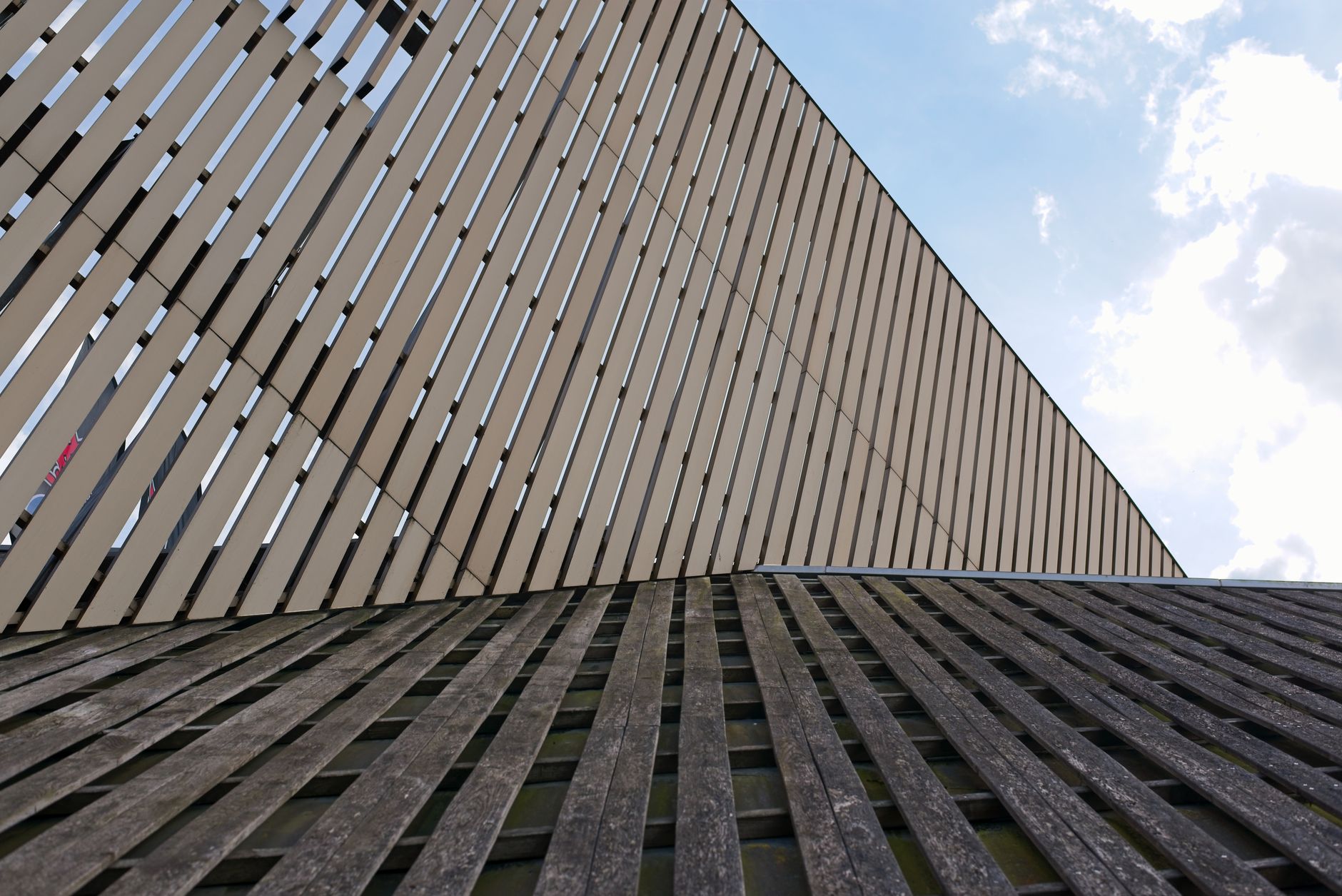
While minimalism favors simplicity, contemporary design still seeks to captivate the eye. Architects achieve this by playing with contrasts such as varying textures, subtle color palettes, and unexpected angles. For example, combining smooth concrete with warm wood or integrating large glass panels with solid walls can create dynamic facades that remain understated yet intriguing. This balance ensures that even the cleanest designs feel inviting and thoughtfully crafted.
Use of Innovative and Sustainable Materials
Eco-Friendly Building Materials
Modern architecture increasingly prioritizes sustainability, and the choice of materials plays a crucial role. Contemporary exteriors often incorporate eco-friendly materials such as recycled steel, reclaimed wood, bamboo, and low-impact concrete alternatives. These materials reduce carbon footprints and may also provide better insulation and durability. By selecting sustainable options, architects contribute to environmental preservation while delivering high-performance buildings.
Blending Natural and Manufactured Elements
Another hallmark of contemporary exterior architecture is the seamless integration of natural and manufactured materials. This blending creates a harmonious dialogue between the built environment and nature. For instance, polished metal or glass surfaces may be paired with stone or timber to produce contrast and warmth. This fusion not only highlights material innovation but also enriches the tactile and visual experience of the building’s exterior.
Integration with the Natural Environment
Designing Around Landscape Features
Contemporary architecture respects and responds to its site by thoughtfully incorporating landscape features into the design. Rather than imposing rigid structures, architects work with the topography, existing vegetation, and natural contours. This might mean positioning a home to preserve mature trees, designing terraces that follow hillside slopes, or using native plants in landscaping. Such strategies foster a sense of belonging and enhance the property’s ecological value.
Maximizing Natural Light and Ventilation
Bringing natural elements inside is a key goal in contemporary exterior architecture. Large windows, skylights, and open layouts invite abundant sunlight, reducing the need for artificial lighting during the day. At the same time, strategic placement of openings facilitates natural cross-ventilation, promoting healthier indoor air quality and reducing reliance on mechanical cooling. These features contribute to energy savings and create comfortable, uplifting living spaces.