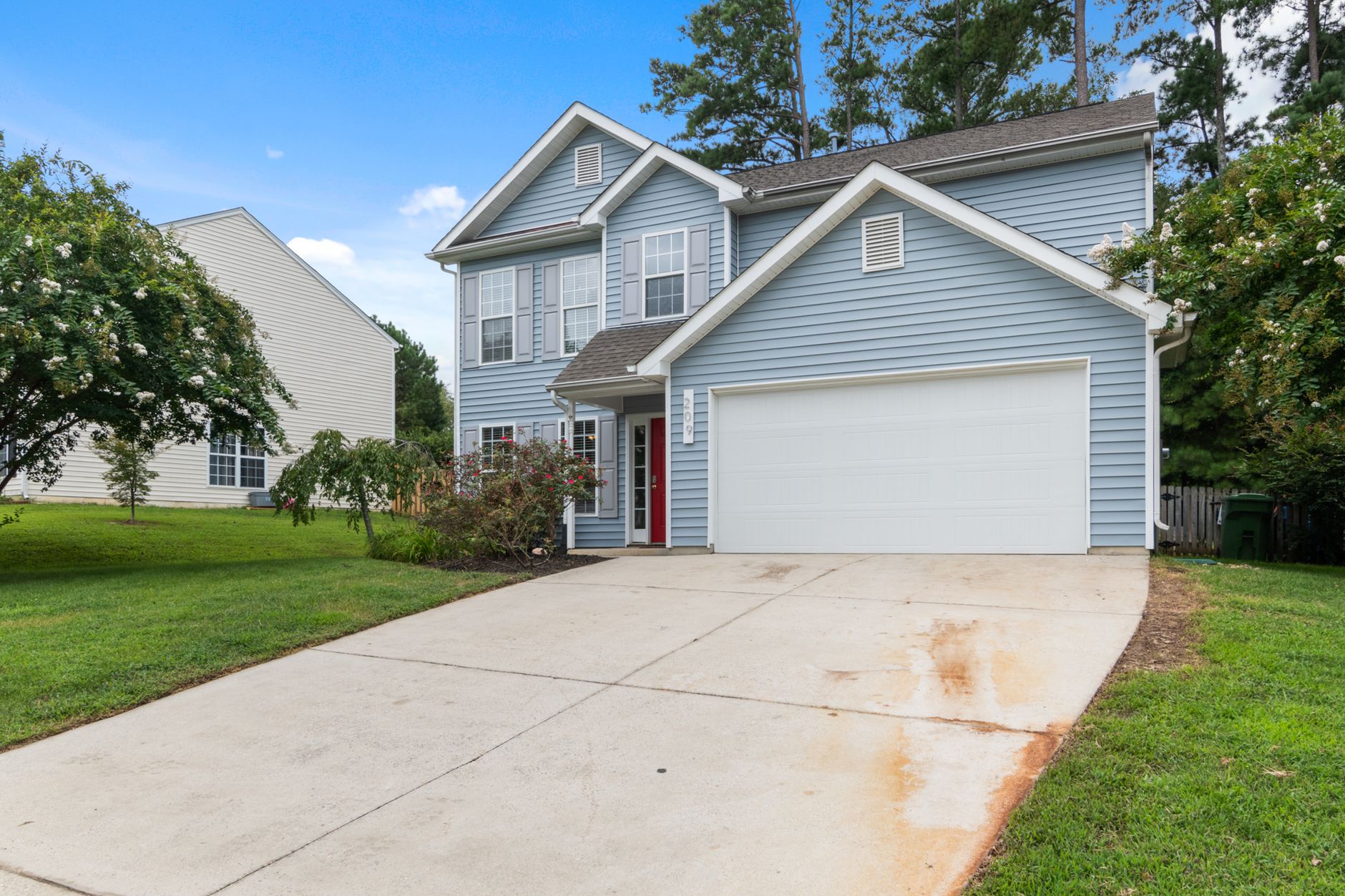
Choosing the Right Modern Siding Material
Selecting the perfect siding material is the foundation of achieving a stylish and durable home exterior. Modern siding options offer a variety of benefits, from low maintenance to enhanced durability, but understanding their unique properties can help you make the best choice for your home.
Comparing Popular Materials: Fiber Cement, Vinyl, Metal
Fiber Cement: This material combines cement, sand, and cellulose fibers to create a robust siding option that mimics the look of wood without the vulnerability to rot or insect damage. Fiber cement siding is prized for its fire resistance, durability, and ability to hold paint well, making it a top choice for homeowners seeking longevity and aesthetic appeal.
Vinyl: Vinyl siding is a cost-effective and low-maintenance option that comes in countless colors and styles. It resists moisture and fading but can be less durable under extreme weather conditions. Its installation is relatively straightforward, making it a popular choice for many residential projects.
Metal: Metal siding, typically aluminum or steel, offers a sleek, modern look with exceptional durability. It resists fire, pests, and weather extremes, and it can be finished in a variety of colors. However, it may dent or scratch more easily than fiber cement and requires professional installation to ensure proper handling.
Sustainability and Environmental Impact
Modern homeowners are increasingly considering the environmental footprint of their siding. Fiber cement is made from natural materials and is recyclable, while vinyl siding's production involves plastics, which can be less eco-friendly. Metal siding, especially aluminum, is highly recyclable and often contains recycled content. Choosing materials with longevity and recyclability in mind contributes to a more sustainable home exterior.
Design Trends to Elevate Your Home’s Curb Appeal
Beyond durability, modern siding is an opportunity to express personal style and enhance your home's visual appeal. Current trends emphasize creative combinations and innovative installation patterns.
Mixing Textures and Colors
Combining different siding textures—such as smooth fiber cement panels with wood-look vinyl or metal accents—adds depth and interest to your exterior. Layering colors thoughtfully can highlight architectural features or create a striking contrast that makes your home stand out. Choosing muted earth tones with a pop of bold color is popular for contemporary designs.
Incorporating Vertical and Horizontal Patterns
While horizontal siding remains classic, vertical siding is gaining popularity for its modern aesthetic and ability to make structures appear taller. Mixing vertical and horizontal patterns on different sections of the home can break up large surfaces and add dynamic visual lines. This approach works well with materials like fiber cement and metal.
Installation Best Practices for Longevity
Proper installation is critical to maximizing the lifespan and performance of your siding. Paying attention to detail during this phase prevents costly damage and ensures your investment pays off for years.
Hiring Professionals vs. DIY
While some homeowners opt to install siding themselves, professional installation is usually recommended. Experienced installers understand how to handle materials correctly, manage moisture barriers, and meet local building codes. Professionals can also provide warranties that protect your siding over time, adding peace of mind.
Ensuring Proper Weatherproofing and Insulation
Effective weatherproofing is essential to prevent water intrusion and damage. Using quality house wrap, flashing, and sealing around windows and doors helps keep moisture out. Additionally, integrating insulation behind the siding improves energy efficiency and comfort indoors. These details, often overlooked in DIY projects, are crucial for a durable exterior.